Table of Contents
ToggleThe Nintendo Switch has dominated the hybrid console market since 2017, but one feature seems conspicuously absent: a proper web browser. Unlike PlayStation and Xbox consoles that offer dedicated browser apps, the Switch keeps internet browsing locked away, or does it? Turns out, there’s a hidden browser buried in the system, accessible through specific workarounds that Nintendo never advertised.
For players wondering whether they can get a search engine on Nintendo Switch, the answer is technically yes, but it’s not straightforward. The browser exists primarily for system functions like connecting to public Wi-Fi networks, not for casual browsing sessions. Still, with the right tricks, users can access websites, stream media, and even troubleshoot connection issues using this hidden feature.
This guide breaks down everything about the Nintendo Switch web browser in 2026, from why Nintendo restricts it, to how you can actually use it, to whether we’ll ever see an official browsing app. Whether you’re trying to watch YouTube without the app, connect to hotel Wi-Fi, or just curious about what your Switch can secretly do, here’s the complete rundown.
Key Takeaways
- The Nintendo Switch has a hidden web browser built into its firmware, accessible only through captive portal networks or DNS redirect tricks that Nintendo never officially advertised.
- Nintendo intentionally restricts the Nintendo Switch web browser to prevent security exploits that plagued previous consoles like the 3DS and Wii U, prioritizing system safety over browsing convenience.
- The Switch’s hidden browser supports basic HTML5 and can stream video from YouTube and Twitch, but suffers from slow performance, limited RAM, and lack of bookmarks or saved sessions.
- Users can access the browser through two main methods: connecting to captive portal networks (hotels, airports, coffee shops) or setting up custom DNS redirects, though both approaches have significant limitations.
- PlayStation 5 and Xbox Series X offer full-featured browsers with better performance and features like multiple tabs and bookmark support, reflecting their positioning as multimedia entertainment hubs rather than gaming-first devices.
- Nintendo is unlikely to add an official browser to the Switch before its lifecycle ends, as the feature doesn’t align with the company’s gaming-focused business model and would require costly ongoing security maintenance.
Does the Nintendo Switch Have a Web Browser?
The Hidden Browser: How It Actually Works
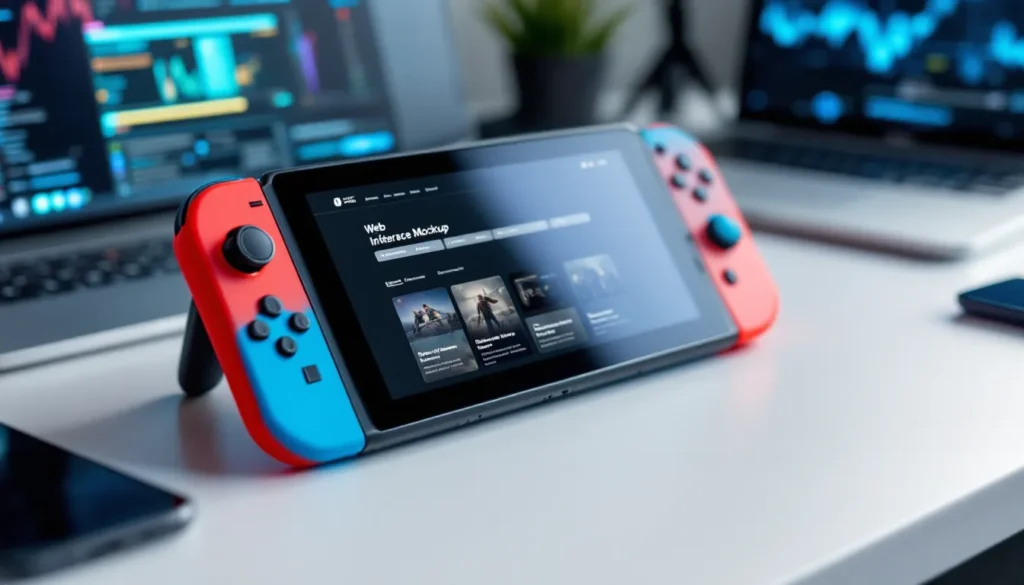
Yes, the Nintendo Switch has a web browser, but it’s not meant for you to use freely. The browser is built into the system firmware, utilizing NetFront Browser NX, a webkit-based engine developed by Access Co. It activates only during specific system processes, primarily when connecting to Wi-Fi networks that require login credentials or terms-of-service acceptance (like hotel or airport networks).
When the Switch detects a captive portal, a network that redirects you to a login page before granting internet access, the browser automatically launches. This lets users enter passwords, accept agreements, or complete authentication steps. Once connected, the browser closes and disappears from view. There’s no browser icon on the home screen, no bookmark system, and no way to launch it on demand through normal means.
The browser itself is functional but bare-bones. It supports basic HTML5, CSS, and JavaScript, which means most modern websites will load, albeit slowly. Video playback works for some formats, and users have reported successfully streaming content from sites like YouTube and Twitch through the hidden browser. But, performance is inconsistent, expect lag, occasional crashes, and limited multimedia support compared to modern mobile browsers.
Why Nintendo Restricts Browser Access
Nintendo’s decision to hide the browser isn’t arbitrary. The company learned hard lessons from the Nintendo 3DS and Wii U, both of which featured accessible browsers that became major security vulnerabilities. Hackers exploited browser exploits to run homebrew software, pirate games, and install custom firmware, problems that plagued those consoles throughout their lifespans.
By locking down the Switch browser, Nintendo significantly reduced attack vectors for system exploits. Every publicly accessible feature is a potential entry point for hackers, and browsers are notoriously difficult to secure. Limiting browser access to captive portals minimizes this risk while still providing necessary functionality for connecting to restricted networks.
There’s also a user experience angle. Nintendo positions the Switch as a dedicated gaming device, not a general-purpose tablet. Adding a full-featured browser would invite comparisons to iPads and Android tablets, comparisons the Switch’s hardware wasn’t designed to win. The console’s 720p touchscreen, modest processing power, and limited RAM make for a subpar browsing experience compared to devices built specifically for that purpose.
Finally, restricting the browser gives Nintendo more control over the ecosystem. They’d rather players use dedicated apps like YouTube, Hulu, and Twitch, which Nintendo can vet and approve, than allowing unfettered web access where users might encounter inappropriate content, malware, or unregulated services.
How to Access the Hidden Browser on Nintendo Switch
Method 1: Using Wi-Fi Connection Portals
The easiest way to access the Switch browser is through a legitimate captive portal network. Coffee shops, hotels, airports, and universities typically use these systems, which automatically trigger the browser when you attempt to connect.
To use this method, navigate to System Settings > Internet > Internet Settings and select a network that uses a captive portal. The Switch will detect the portal requirement and launch the browser automatically. Once the login page loads, you can manipulate the browser by entering URLs directly into any text field, then using the “Test Connection” button to navigate.
Some users bookmark sites by saving network connections with specific DNS settings that redirect to desired URLs. This method is completely safe since you’re using the browser exactly as Nintendo intended, just creatively.
Method 2: DNS Redirect Trick
If you don’t have access to a captive portal network, you can simulate one using custom DNS settings. This method tricks the Switch into thinking it needs to authenticate through a web portal, forcing the browser to open.
First, you’ll need to set up a custom DNS server that responds to the Switch’s connectivity checks with a redirect to a webpage. Several community-maintained DNS servers exist for this purpose, though their availability changes frequently as Nintendo patches exploits.
The DNS method requires changing your network settings manually, pointing to a DNS server that will intercept connection tests and redirect to a browser page. Once redirected, you can navigate to other sites using the address bar or hyperlinks. This approach works on any network but requires more technical setup than the captive portal method.
Step-by-Step Guide for Each Method
Captive Portal Method:
- Go to System Settings > Internet > Internet Settings
- Select a Wi-Fi network that uses a captive portal (coffee shop, hotel, etc.)
- Connect to the network, the browser will launch automatically
- Complete the login process or accept terms of service
- Instead of closing, use any text input field to enter a URL
- Navigate by entering addresses or clicking links
- To return later, disconnect and reconnect to the same network
DNS Redirect Method:
- Go to System Settings > Internet > Internet Settings
- Select your current Wi-Fi network and choose Change Settings
- Select DNS Settings and change from Automatic to Manual
- Enter a custom DNS that redirects to a web portal (Primary: varies by service: check current community resources)
- Save settings and select Connect to This Network
- When the Switch tests the connection, it will detect a “portal” and launch the browser
- Navigate as desired using the browser interface
- To exit, change DNS settings back to Automatic
Both methods have limitations. The browser session typically ends when you navigate away from the internet settings or put the Switch to sleep. There’s no history, no bookmarks, and no way to save your session. Players who need regular web access will find these workarounds tedious compared to just using a phone or tablet.
What Can You Actually Do with the Switch Browser?
Browsing Capabilities and Limitations
The hidden Switch browser handles basic web browsing surprisingly well, for a feature that’s not supposed to exist. Standard websites load correctly most of the time, including news sites, wikis, forums, and social media platforms. The touchscreen interface works for scrolling and tapping links, though precision can be frustrating with smaller buttons or text.
Navigation is clunky. There’s no back button in the traditional sense, you’ll need to use on-page navigation or links to move between pages. No tabs, no bookmarks, no download manager. The browser doesn’t save cookies between sessions, so you’ll need to log into sites repeatedly. Form filling works, but without autofill or password managers, entering long credentials with the on-screen keyboard is painful.
Performance varies wildly depending on the website. Simple text-based sites load quickly, but media-heavy pages with multiple scripts and advertisements can bog down significantly. The Switch’s limited RAM (4GB, with only a portion available to the browser) means complex sites may crash or freeze. Expect longer load times than you’d experience on a modern smartphone.
Supported Features and Media Playback
The browser supports HTML5 video, which means you can stream content from sites like YouTube, Twitch, and Vimeo without using their dedicated apps. Quality maxes out at 720p due to the Switch’s display resolution, and buffering issues are common on slower connections. Audio playback works through the Switch’s speakers or connected headphones.
JavaScript functionality is limited but functional. Interactive elements like dropdown menus, popup windows, and dynamic content generally work, though some advanced JavaScript features may fail. Flash content is completely unsupported (not surprising given Flash’s death in 2020).
The browser blocks certain file downloads and doesn’t support plugins or extensions of any kind. You can’t install ad blockers, password managers, or any other browser add-ons. Pop-up blocking is minimal, so expect intrusive ads on sites that use them.
Touch gestures are basic: tap to click, swipe to scroll. There’s no pinch-to-zoom functionality, which makes reading small text frustrating. The on-screen keyboard appears when you tap text fields, but it’s the same system-wide Switch keyboard, functional but slow for extended typing.
Common Use Cases for Switch Browsing
Even though limitations, players have found practical uses for the hidden browser. The most common is streaming media when the official app is unavailable or inconvenient. Some players prefer using browser versions of YouTube or Twitch to avoid downloading additional apps or to access features the apps don’t support.
Hotel and public Wi-Fi authentication is the browser’s intended purpose and where it shines. Players traveling with their Switch can connect to networks that require login credentials or terms acceptance, something impossible without browser access.
Game guides and wikis are another popular use case. Instead of pulling out a phone mid-session, players can access walkthroughs, item databases, or strategy guides directly on the Switch. But, many advanced console features are still better accessed through dedicated devices.
Some users access social media through the browser, particularly Twitter or Reddit, to check gaming communities or follow game updates. This is inefficient compared to mobile apps but works in a pinch.
Troubleshooting network issues is another practical application. Players can test connectivity, check service status pages, or look up error codes without switching devices. The browser provides basic diagnostic capabilities beyond what the Switch’s system tools offer.
Third-Party Browser Apps and Homebrew Solutions
Homebrew Browser Options
The homebrew community has developed several browser solutions for modded Switch consoles. The most popular is NXBrowser, a fork of the NetFront browser with expanded features and better usability. It includes proper navigation controls, bookmark support, download management, and improved JavaScript handling.
Another option is Twili Browser, which offers tab support and extension compatibility. These homebrew browsers provide functionality closer to what users expect from modern mobile browsers, including gesture controls and customizable settings.
Installing homebrew browsers requires custom firmware (CFW), typically through Atmosphère, the most popular Switch CFW. This process involves exploiting the Switch’s boot system, possible on older Switch models (pre-mid-2018) and the Switch Lite with certain hardware revisions, but difficult or impossible on patched units and newer OLED models.
Risks and Considerations of Custom Firmware
Running custom firmware and homebrew software carries significant risks. The most immediate is account and console bans. Nintendo actively detects and bans consoles running CFW that connect to Nintendo’s servers. A ban prevents online play, eShop access, and game updates, essentially crippling the Switch’s online functionality.
Even with precautions like using emuNAND (which runs a separate system partition) and airplane mode, the ban risk never disappears completely. One mistake, forgetting to disable Wi-Fi before booting into CFW, for example, can trigger an irreversible ban.
There’s also the warranty void. Modding the Switch violates Nintendo’s terms of service and instantly voids any warranty coverage. If your console develops hardware issues after installing CFW, Nintendo will refuse repairs.
Security vulnerabilities increase with custom firmware. Homebrew apps aren’t vetted by Nintendo and may contain malware, keyloggers, or code that bricks your console. The homebrew community is generally trustworthy, but downloading apps from unofficial sources or outdated repositories is risky.
Update complications are another concern. When Nintendo releases system updates, CFW users must wait for their custom firmware to update compatibility. Installing official updates before CFW support can brick the console or cause instability.
For most users, the risks outweigh the benefits. Getting a proper browser through homebrew means sacrificing online play, warranty coverage, and system security, a steep price for web browsing functionality you can get from any smartphone or tablet. Only dedicated enthusiasts who understand the technical implications and accept the consequences should consider this route.
Comparing Switch Browser to Other Gaming Consoles
PlayStation and Xbox Browser Features
Both PlayStation and Xbox offer significantly better browser experiences than the Switch. The PlayStation 5 includes a built-in web browser accessible through a workaround similar to the Switch’s DNS method, but it’s more functional with better performance. The PS4 featured a dedicated browser app with bookmark support, though Sony removed the home screen icon in later updates for security reasons.
The browser on PlayStation consoles supports 1080p video streaming, has better JavaScript compatibility, and handles complex websites more smoothly. Players can use it to stream sports, access social media, or browse guides without the severe limitations Switch users face. The DualSense and DualShock controllers make navigation easier than the Switch’s touchscreen-only approach when docked.
**Xbox Series X
|
S and Xbox One** consoles include Microsoft Edge, a full-featured browser based on Chromium. It’s accessible directly from the home screen, supports multiple tabs, includes bookmark management, and even works with keyboard and mouse peripherals. Edge on Xbox performs comparably to desktop browsers, capable of streaming 4K video, running web apps, and handling modern web standards.
Xbox’s browser integration goes further with features like syncing bookmarks across devices (through Microsoft accounts), support for browser extensions (limited selection), and gamepad-optimized navigation. Some players even use Xbox browsers for cloud gaming services like GeForce Now or Xbox Cloud Gaming, effectively turning the console into a streaming device for games not natively available.
According to coverage by The Verge, the browser disparity reflects each company’s philosophy. Microsoft views Xbox as a comprehensive entertainment hub, while Sony takes a more cautious approach, balancing functionality with security concerns.
Why Switch Lags Behind Competitors
Nintendo’s approach prioritizes different values than Sony or Microsoft. The company positions the Switch as a gaming-first device, not a multimedia hub. While PlayStation and Xbox compete in the living room as all-in-one entertainment systems, Nintendo focuses on game experiences and portability.
The Switch’s hardware also limits browser potential. Its NVIDIA Tegra X1 processor (released in 2015) was already dated when the console launched in 2017. Compared to the AMD Zen 2 processors in PS5 and Xbox Series X, the Switch lacks the computational power for smooth multitasking and complex web rendering. The 4GB RAM limitation means the browser competes for memory with system processes, resulting in crashes and slowdowns.
Security concerns weigh heavier for Nintendo after the 3DS and Wii U exploits. Sony and Microsoft have larger security teams, faster patch cycles, and more experience securing browsers against exploits. Nintendo’s smaller operation and different corporate culture make them more risk-averse about potential vulnerability vectors.
There’s also a demographic consideration. Nintendo’s audience skews younger compared to PlayStation and Xbox. Parents buying Switch consoles for children may prefer limited internet access, and Nintendo likely wants to avoid content moderation issues that come with unrestricted web browsing.
Finally, Nintendo’s business model doesn’t benefit from browser features the way competitors’ do. Microsoft uses Edge on Xbox to drive engagement with Microsoft services and subscriptions. Sony leverages browser access for media partnerships and streaming services. Nintendo’s revenue focuses on game sales and Nintendo Switch Online subscriptions, neither of which benefit from browser functionality. For those just getting started with the console, the lack of a browser rarely impacts the core gaming experience.
Troubleshooting Common Browser Access Issues
Connection Problems and Fixes
The most common issue users face is the browser failing to launch when using the DNS redirect method. This happens when Nintendo patches the DNS servers that the community uses, or when network configurations block the redirect. Fix: Check community forums like Nintendo Life for updated DNS addresses that currently work. These change frequently as Nintendo closes exploits.
If the captive portal method doesn’t trigger the browser, your Switch may not be detecting the portal correctly. Fix: Disconnect and reconnect to the network multiple times. Some portals have timing requirements, the Switch needs to attempt connection within a specific window for the browser to activate. Try forgetting the network completely and re-adding it from scratch.
“DNS name could not be resolved” errors appear when custom DNS settings point to servers that are offline or blocking Switch traffic. Fix: Verify the DNS address is entered correctly (typos are common when entering numbers manually). Test the DNS server from another device to confirm it’s responding. Switch back to automatic DNS temporarily, connect successfully, then try manual DNS again.
Some networks block non-standard DNS servers as a security measure, preventing the DNS redirect method entirely. Fix: Try a different network, or use the captive portal method instead. There’s no workaround if your network administrator actively blocks custom DNS traffic.
Browser Crashes and Freezing
The Switch browser crashes frequently on media-heavy or JavaScript-intensive websites. This happens because the browser runs in a memory-limited environment and lacks the optimization of dedicated browsers. Fix: Stick to simpler websites with minimal ads and scripts. Text-based sites like Wikipedia, Reddit (old.reddit.com works better), and simple blogs are more stable.
“Out of memory” errors force the browser to close without warning. Fix: Close all other software before accessing the browser. Exit games completely rather than suspending them. The Switch allocates more RAM to the browser when other applications aren’t running. Restart the console periodically to clear memory leaks.
Page loading timeout issues occur when websites take too long to respond, causing the browser to give up. Fix: Ensure your internet connection is stable and reasonably fast. The Switch’s Wi-Fi reception is notoriously weak, move closer to the router or reduce interference. Some users report better stability using 5GHz networks over 2.4GHz when available.
Videos freezing or refusing to play usually stems from format incompatibility or buffering issues. Fix: Lower video quality settings when available (720p or 480p instead of 1080p). Pause the video and let it buffer for 30-60 seconds before playing. Some video formats won’t play at all, try different sites if one doesn’t work.
Touchscreen input not responding happens occasionally, especially on pages with complex layouts. Fix: Tap different areas of the screen to re-activate touch detection. If the entire browser becomes unresponsive, hold the power button for 12 seconds to force a restart. You’ll lose your browsing session, but it’s the only way to recover from a complete freeze.
For persistent issues that prevent browser access entirely, factory reset is a last resort. Go to System Settings > System > Formatting Options > Initialize Console. This wipes all data and settings, returning the Switch to default state. Only try this if you’ve exhausted other options and backed up save data to Nintendo Switch Online or transferred it to another console. Detailed troubleshooting guides are available at How-To Geek for more complex networking issues.
Will Nintendo Add an Official Browser?
History of Nintendo Console Browsers
Nintendo has included browsers on consoles since the Wii, which launched with the Internet Channel in 2006 (initially paid, later free). The browser used Opera and provided basic web access with Wii Remote pointer controls. It was slow and limited but functional for simple browsing and checking email.
The Wii U featured a significantly improved browser based on NetFront Browser, supporting HTML5, CSS3, and modern web standards. It included bookmark management, tab support, and worked with both the GamePad touchscreen and TV display. Players could browse while gaming, making it genuinely useful. But, browser exploits became a primary method for installing homebrew, leading to ongoing security battles.
The Nintendo 3DS browser was similar to the Wii U’s, using NetFront technology with stereoscopic 3D support. Like the Wii U, it became a major security vulnerability. Hackers used browser exploits to run unsigned code, install custom firmware, and pirate games. Nintendo released numerous patches to close browser exploits, but new ones appeared regularly.
This history explains Nintendo’s current stance. Both previous-generation consoles suffered significant piracy problems directly attributable to browser vulnerabilities. The Switch’s locked-down approach represents Nintendo learning from past mistakes, though it frustrates users who simply want legitimate browsing functionality.
Likelihood of Future Updates
As of March 2026, there’s no indication Nintendo plans to add an official browser to the Switch. The console is nearly nine years old, approaching the end of its lifecycle if historical console generations are any guide. Nintendo typically announces successor hardware around year 7-8, and rumors about the “Switch 2” or “Switch Pro” have circulated since 2024.
Nintendo’s development priorities focus on game releases, system stability, and maintaining the digital storefront. Browser features don’t align with these priorities. The company has released consistent firmware updates throughout the Switch’s life, but these mostly address security vulnerabilities, improve stability, and add minor quality-of-life features. Major new functionality like a browser would be unprecedented at this stage.
Financial incentive is minimal. Nintendo doesn’t monetize through web services or advertising the way competitors do. Adding a browser wouldn’t drive hardware sales or increase software revenue. In fact, it might decrease engagement with paid apps like YouTube Premium or streaming services that license their apps to Nintendo.
Security teams would need ongoing commitment to patch browser vulnerabilities, an expensive, never-ending battle. Every publicly disclosed browser exploit invites hackers to find similar vulnerabilities. For a company Nintendo’s size, maintaining a secure browser is a significant resource drain with little upside.
The PR risk is another factor. If Nintendo added a browser, they’d face criticism for content moderation, child safety, and accessibility issues. Parents who trust the Switch as a safe, controlled environment might object to unrestricted internet access. Nintendo would need content filtering, parental controls, and safety features, all expensive to carry out and maintain.
That said, Nintendo occasionally surprises with unexpected updates. If they include a browser, it’ll likely be sandboxed, heavily restricted, and tied to Nintendo Account parental controls. The hybrid console design already appeals to families, and Nintendo won’t jeopardize that reputation.
The more realistic scenario is that Nintendo’s next console launches with browser functionality if the company decides the feature is worth the investment. They could design security from the ground up rather than retrofitting it to the Switch’s architecture. Until then, expect the hidden browser to remain exactly that, hidden, limited, and unofficial. Anyone exploring creative console uses will need to rely on workarounds rather than official support.
Conclusion
The Nintendo Switch web browser exists in a strange limbo, present but hidden, functional but restricted, useful but frustrating. Nintendo’s decision to lock it down makes sense from security and business perspectives, even if it disappoints users hoping for the convenience of built-in web access.
For players who absolutely need browser functionality, the workarounds covered here provide basic access without resorting to risky homebrew solutions. The captive portal and DNS methods work reliably enough for occasional use, streaming a video, checking a guide, or connecting to restricted Wi-Fi. Just don’t expect performance or features comparable to your phone or laptop.
Those considering homebrew purely for browser access should reconsider. The risks of account bans, warranty voids, and security vulnerabilities far outweigh the benefits when smartphones and tablets deliver superior browsing experiences without any downsides.
As for whether Nintendo will ever add an official browser? Don’t hold your breath. The Switch’s lifecycle is winding down, and the feature doesn’t align with Nintendo’s priorities or business model. The next console might change that equation, but for now, the hidden browser is as good as it gets. Players looking to maximize their Switch experience will find that the console excels at what it was designed for: gaming, both at home and on the go. Everything else is just a bonus, or in the browser’s case, a well-hidden Easter egg.